

Related content
- Sep 09, 2026Winnex Air Direct Expansion (DX) Air Handling UnitThe Winnex Air Direct Expansion (DX) Air Handling Unit is a highly versatile and adaptive integrated temperature and air handling solution. Unlike dedicated computer room air conditioners, it is no longer limited to data center scenarios and serves a wide range of industrial, commercial, scientific and special environmental cooling needs.
- Sep 05, 2026Winnex Air In-Row Precision Air Conditioner | Optimized Cooling for High-Density Data CentersEquipped with a full Chinese high-definition large-screen graphical interactive interface and multi-level password protection to prevent illegal operation and ensure equipment safety. The system visually displays the operating status and cumulative running time of all core components in real time, allowing operators to grasp unit conditions at a glance. The built-in expert intelligent fault diagnosis system automatically identifies and accurately displays fault information, greatly reducing maintenance difficulty.
- Jul 05, 2026Full Introduction to Chilled Water In-Row Air Conditioner | Central Water Close-Coupled Cooling Equipment for Large High-Density Data CentersExplore chilled water in-row air conditioners for large data centers, delivering high-density cooling, low noise and energy-efficient operation.
- Jun 29, 2026Six Core Advantages of DX Air-Cooled In-Row Air Conditioner | Analysis of Waterless Direct Expansion Cooling Equipment for Server RoomsExplore 6 advantages of DX in-row air conditioners for server rooms: waterless cooling, modular expansion, energy savings and smart PLC control.
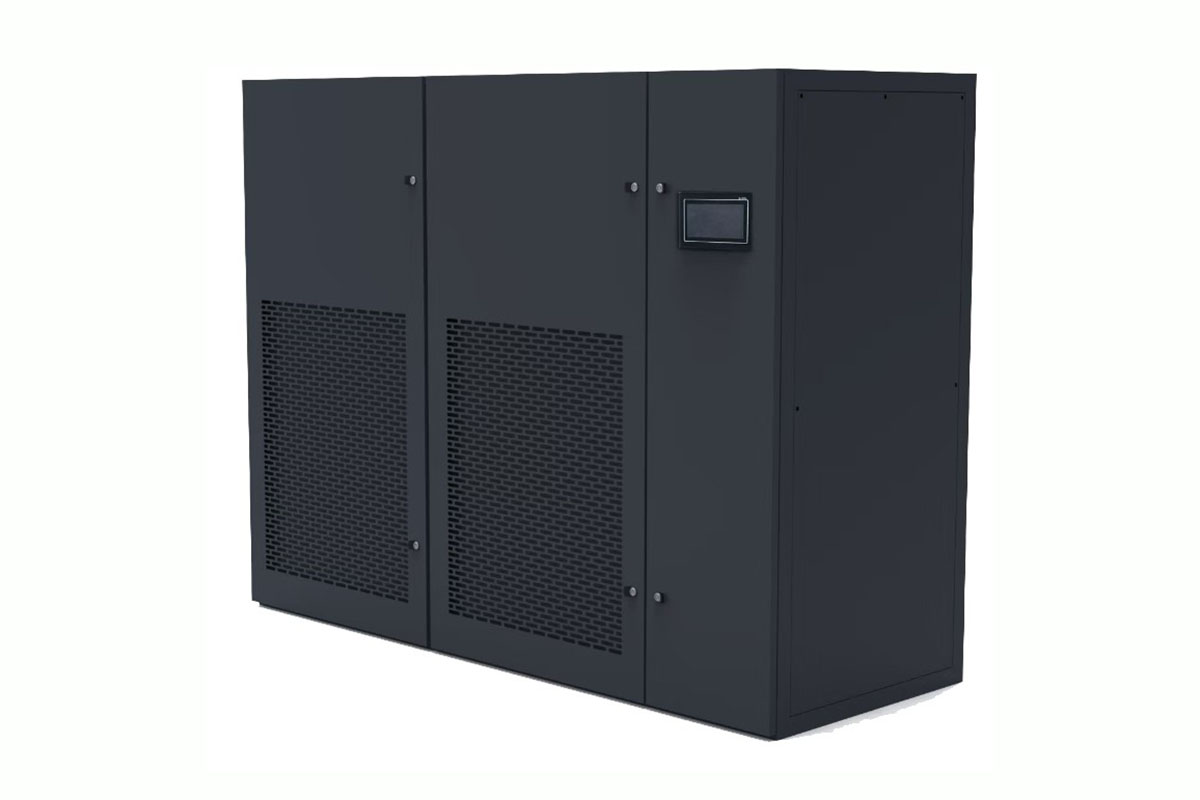
1. Requirements for Continuous Non-Stop Operation
Servers in data centers run 24/7/365 continuously, so precision air conditioners must support non-stop stable operation all year round and withstand high outdoor ambient temperature as well as long-term full-load operation. Key components including compressors, fans and controllers feature long design service life, capable of continuous start-stop regulation without fatigue shutdown, complying with high-reliability operation standards of Tier III/IV data centers.
2. Requirements for High-Precision Temperature and Humidity Control
Ordinary air conditioners have large temperature control errors and fail to meet operation standards of IT equipment. Precision air conditioners shall reach temperature accuracy of ±0.5℃ and relative humidity accuracy of ±5%RH. Adopting high sensible heat ratio design to reduce unnecessary dehumidification, it avoids static electricity caused by dry air or circuit board condensation corrosion under high humidity, ensuring long-term stability of servers, switches and other hardware.
3. Requirements for High-Density Heat Dissipation and Hotspot Prevention
Nowadays, single rack heat load keeps rising in AI and computing rooms. Air conditioners need close-coupled cooling capacity with short air supply path and low cooling loss. Equipped with optimized air duct structure and matched with hot & cold aisle containment system, they fundamentally eliminate airflow short-circuit, vertical rack temperature difference and local hotspots, meeting heat dissipation demands of high-power racks from 5kW to 30kW.
4. Requirements for High Energy Efficiency & Low PUE Design
To cut electricity cost of data center operation, units are standardly equipped with variable frequency compressors, EC energy-saving fans and electronic expansion valves for stepless cooling regulation. Supporting free cooling (refrigerant pump free cooling / chilled water plate heat exchanger free cooling), it reduces compressor operation time in cold seasons and continuously lowers overall PUE, complying with energy-saving standards of green data centers.
5. Requirements for High Safety and Leakage Prevention
DX air-cooled units are equipped with complete leakage protection for refrigerant pipelines, while chilled water units adopt dual condensate drain pans and water leakage detection alarms. Electrical components meet high insulation protection grade, with multiple protections against overload, high/low pressure, phase loss and electric leakage, preventing damage to IT equipment caused by water seepage, refrigerant leakage and circuit faults.
6. Requirements for Intelligent Monitoring and Cluster Redundancy
Built-in independent PLC control system with visual local touch screen operation. Equipped with standard RS485 and Modbus communication interfaces for seamless connection to DCIM management platforms, supporting remote monitoring, parameter adjustment and automatic fault alarm upload. It supports N+1/N+2 redundant cluster operation; failure of one single unit will not affect cooling of the whole area to guarantee non-stop business.
7. Requirements for Easy Maintenance and Low Operation Cost
Fans support hot-swap replacement without shutdown. Consumables such as filters, evaporators and controllers are easy to disassemble and install. Built-in self-diagnosis function quickly locates fault points, shortening maintenance downtime and reducing daily manual operation cost of server rooms.


